

Temple Tumble 2 Dream Drop by Relax Gaming: How Progressive Jackpot Systems Work
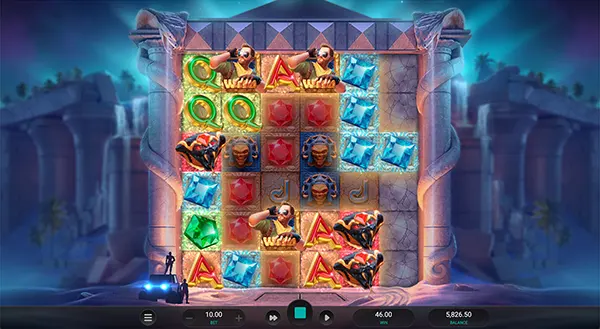
Temple Tumble 2 Dream Drop by Relax Gaming is often used as a reference point when analysing modern progressive jackpot mechanics. The game combines cascading slot features with a network-based jackpot system that works differently from traditional models. In 2026, such systems are widely adopted across the industry, making it important to understand how they operate in practice, how payouts are structured, and what players can realistically expect from them.
What Makes the Dream Drop Jackpot Different
The Dream Drop system is a multi-tier progressive jackpot network developed by Relax Gaming. It includes five levels: Rapid, Midi, Maxi, Major, and Mega. Each tier has its own payout range and trigger frequency, creating a structured distribution of rewards instead of a single accumulating prize pool.
Unlike classic progressive slots, where jackpots are tied to specific symbol combinations, Dream Drop prizes are triggered randomly. This means a jackpot can be activated during any spin, regardless of the outcome of the base game. However, players must meet a minimum stake requirement to qualify, which ensures the system remains economically balanced.
Another defining feature is shared liquidity. All participating games contribute to the same jackpot pools, allowing prize amounts to grow faster. This approach reflects a broader shift towards network-based jackpot systems, where combined player activity increases both jackpot size and frequency.
How Jackpot Contributions Are Calculated
Every qualifying wager contributes a small percentage to the jackpot pool. Although exact contribution rates are not publicly detailed, they are designed to maintain stable long-term payouts while supporting consistent jackpot growth.
These contributions are divided across all five tiers rather than feeding a single pool. Smaller jackpots, such as Rapid or Midi, are triggered more frequently due to their lower thresholds, while higher tiers accumulate over longer periods. This creates a layered payout system where different reward levels coexist.
From a structural perspective, this model reduces volatility extremes. Players may encounter regular smaller jackpots, while still having access to larger, less frequent prizes. It is a balance between engagement and long-term sustainability.
Trigger Mechanics in Temple Tumble 2
In Temple Tumble 2, the Dream Drop jackpot operates independently from the main gameplay features. Whether the player is in the base game, during cascades, or inside a bonus round, the jackpot trigger remains active at all times.
Once triggered, the player enters a separate bonus sequence. This often involves selecting hidden elements or progressing through a short interactive feature. Although it appears dynamic, the outcome is determined at the moment the jackpot is activated, ensuring compliance with random number generation standards.
It is important to note that jackpot triggers are not influenced by previous results. Each spin is independent, and there is no accumulation of probability over time. This eliminates patterns and ensures fairness across all sessions.
Probability and Random Number Generation
The system relies on certified RNG technology to determine both when a jackpot is triggered and which tier is awarded. These algorithms are regularly tested by independent auditors to meet regulatory requirements in licensed markets.
Dream Drop uses a weighted probability model. Lower-tier jackpots have a higher chance of being triggered, while higher tiers like Mega are significantly rarer. This distribution ensures that overall payout percentages remain within predefined RTP limits.
For players, this means outcomes cannot be predicted or influenced. Even though multiple jackpot levels are available, each spin follows the same statistical logic, with no hidden cycles or timing strategies.
Strategic Considerations for Players in 2026
Players in 2026 tend to evaluate games based on measurable factors such as RTP, volatility, and jackpot mechanics. Temple Tumble 2 combines a high-volatility slot structure with a multi-tier jackpot system, creating a gameplay experience that mixes frequent small wins with the potential for larger payouts.
Stake size is one of the key considerations. While eligibility for jackpots starts at relatively low bets, increasing the wager affects base game winnings rather than jackpot probability. The trigger chance remains constant regardless of stake level.
Session management is equally important. Progressive jackpot games can involve longer losing streaks due to their volatility. Setting limits and understanding variance helps maintain a more controlled and realistic approach to gameplay.
Evaluating Risk and Reward Balance
Temple Tumble 2 is classified as a high-volatility slot, meaning wins can be less frequent but larger when they occur. When combined with the Dream Drop system, this creates two layers of risk: one within the base mechanics and another within the jackpot system.
The presence of multiple jackpot tiers distributes potential rewards more evenly. Players are more likely to encounter smaller jackpot payouts, which can help offset longer periods without significant wins. This structure supports sustained engagement without relying solely on rare large payouts.
Overall, the Dream Drop system reflects current industry standards. It combines shared jackpot pools, random triggers, and tiered payouts into a format that prioritises transparency and fairness, aligning with modern expectations for regulated online gaming environments.
Popular slots
-
Cyberheist City: How Cascading Wins and 10...
Cyberheist City is a Pragmatic Play slot …

-
Wanted Dead or a Wild: Risk, RTP and Bonus...
Wanted Dead or a Wild by Hacksaw …

-
Immortal Romance: Why Storytelling Matters...
Online slots have changed significantly over the …